Introduction: What HB 1814 Means for Memphis Landlords
The Tennessee rental landscape is evolving—and fast. With the introduction of HB 1814, landlords and real estate investors must adapt to new transparency requirements that directly impact how rental properties are managed, marketed, and maintained.
Whether you own a single rental or a growing portfolio in Memphis, understanding this legislation is critical to protecting your ROI and staying compliant.
For investors already navigating the complexities of Memphis property management, these changes add another layer of operational responsibility—but also an opportunity to build stronger tenant relationships and long-term asset value.
Working with experienced professionals—like those behind CrestCore’s property management services—can help streamline compliance while keeping your investments profitable.
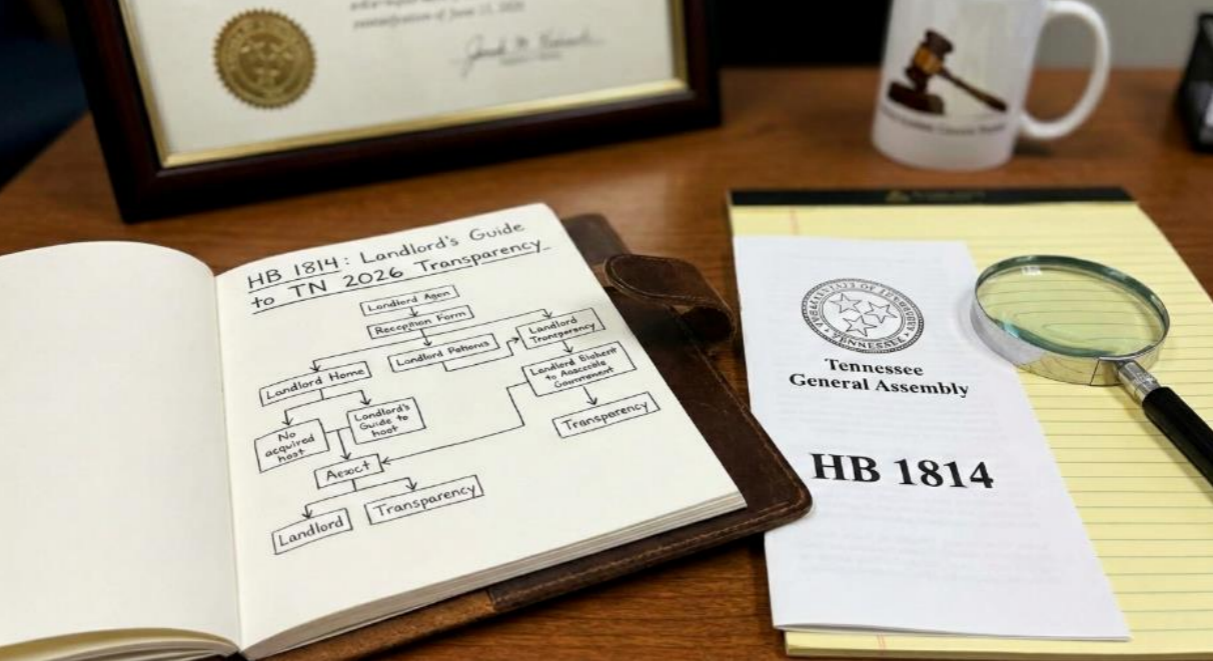
What Is HB 1814? A Breakdown of Tennessee’s 2026 Transparency Law
HB 1814 is designed to increase transparency between landlords and tenants across Tennessee.
While the full scope of the law touches several areas, the primary focus is on clear communication, disclosure requirements, and standardized practices in rental property management.
Key Provisions of HB 1814
Landlords in Memphis should pay close attention to these core elements:
- Mandatory disclosure of property conditions prior to lease signing
- Clear breakdown of fees and charges, including maintenance and late fees
- Timely communication requirements for repairs and notices
- Documentation standards for tenant interactions and agreements
- Increased accountability in property management practices
These changes reinforce a shift toward professionalized rental operations—something already emphasized by firms like those featured on CrestCore’s blog resources, where best practices for landlords are regularly discussed.
Why HB 1814 Matters for Memphis Real Estate Investors
Memphis has long been a hotspot for rental property investing due to its affordability and strong rental demand.
However, regulatory changes like HB 1814 can directly impact profitability if not handled correctly.
The Risks of Non-Compliance
Failing to comply with transparency laws can result in:
- Legal disputes with tenants
- Financial penalties
- Increased vacancy rates due to poor tenant experiences
- Damage to your reputation as a landlord
For investors managing multiple properties, these risks compound quickly. Leveraging structured systems—such as those used in professional property management solutions—can significantly reduce exposure.
How HB 1814 Impacts Property Management in Memphis
1. Leasing Process Transparency
Under HB 1814, landlords must provide detailed disclosures before lease agreements are signed.
This includes property condition reports, fee structures, and maintenance expectations.
For Memphis property owners, this means:
- Standardizing lease documentation
- Conducting thorough pre-lease inspections
- Ensuring all tenant communications are documented
Using platforms and systems similar to those utilized by firms offering Memphis rental listings can help automate and streamline this process.
2. Maintenance and Repair Accountability
Timely maintenance is no longer just a best practice—it’s a legal expectation.
HB 1814 requires:
- Prompt acknowledgment of repair requests
- Transparent timelines for resolution
- Documentation of completed work
Efficient maintenance coordination—like what’s often highlighted in professional property management FAQs—can help landlords stay compliant while improving tenant satisfaction.
3. Financial Transparency and Fee Disclosure
Hidden fees are a major target of HB 1814. Landlords must clearly outline:
- Rent breakdowns
- Late fees
- Maintenance charges
- Any additional costs
This shift encourages cleaner, more predictable financial operations—something that directly benefits both landlords and tenants.
Investors seeking to optimize cash flow can benefit from insights like those offered through a free rental analysis.
Strategic Advantages of Compliance
While new regulations may seem burdensome, HB 1814 also presents opportunities for savvy investors.
Improved Tenant Retention
Transparency builds trust. Tenants who feel informed and respected are more likely to:
- Renew leases
- Take better care of the property
- Communicate proactively
Reducing turnover is one of the most effective ways to increase ROI in rental property investing.
Enhanced Property Value
Well-managed properties with clear documentation and compliance history are more attractive to:
- Buyers
- Lenders
- Institutional investors
If you’re considering scaling or selling, aligning with professional standards—like those reflected in real estate services and listings—can significantly boost asset value.
Operational Efficiency
Standardizing processes for compliance often leads to:
- Better record-keeping
- Faster decision-making
- Reduced management stress
Many landlords find that partnering with experienced teams—accessible via CrestCore’s contact page—helps them operate more efficiently while focusing on growth.
Practical Tips for Landlords Navigating HB 1814
1. Audit Your Current Processes
Start by reviewing:
- Lease agreements
- Tenant communication systems
- Maintenance workflows
Identify gaps in transparency and documentation.
2. Upgrade Your Documentation Systems
Digital tools can help you:
- Track tenant interactions
- Store compliance records
- Automate disclosures
Many professional management firms already use these systems, making them a valuable partner for landlords scaling their portfolios.
3. Standardize Communication
Create templates for:
- Lease disclosures
- Maintenance updates
- Fee explanations
Consistency is key to compliance.
4. Partner with Property Management Experts
Navigating legal changes alone can be risky. Experienced Memphis property management teams can:
- Ensure compliance with HB 1814
- Handle tenant communication
- Optimize rental performance
Exploring services through CrestCore’s main platform can provide insight into how professional management simplifies operations.
The Role of Professional Property Management in 2026
As regulations evolve, the role of property management companies becomes increasingly important.
What to Look for in a Property Management Partner
- Strong compliance systems
- Transparent reporting
- Proven tenant placement strategies
- Efficient maintenance coordination
Firms with established systems—like those detailed on CrestCore’s about page—are well-positioned to help investors navigate these changes.
FAQ: HB 1814 for Memphis Landlords
1. What is HB 1814 in Tennessee?
HB 1814 is a 2026 law requiring increased transparency in rental property management, including disclosures, communication, and documentation standards.
2. How does HB 1814 affect Memphis landlords?
It requires clearer lease agreements, better maintenance communication, and full disclosure of fees—impacting day-to-day property management practices.
3. What happens if I don’t comply with HB 1814?
Non-compliance can lead to legal issues, fines, and tenant disputes, which can negatively affect your investment returns.
4. Do I need a property manager to comply?
While not required, working with a professional property management company can significantly reduce risk and simplify compliance.
5. How can I optimize my rental under the new law?
Start with a data-driven approach—tools like a free rental analysis can help align pricing, strategy, and compliance.
Conclusion: Turn Compliance into a Competitive Advantage
HB 1814 is more than just a regulatory update—it’s a shift toward a more transparent, professional rental market in Tennessee.
For Memphis landlords and real estate investors, this is an opportunity to refine operations, strengthen tenant relationships, and enhance long-term profitability.
Rather than viewing compliance as a burden, treat it as a strategic advantage.
If you’re looking to simplify property management, improve tenant retention, and maximize ROI, consider taking the next step. Explore expert insights, browse available investment property listings, or connect directly through CrestCore’s contact page.
Ready to optimize your rental performance? Start with a free rental analysis and position your investment for success in 2026 and beyond.
